Bromo’s Architectural Dichotomy: When Design Aspirations Clash with Volcanic Pragmatism
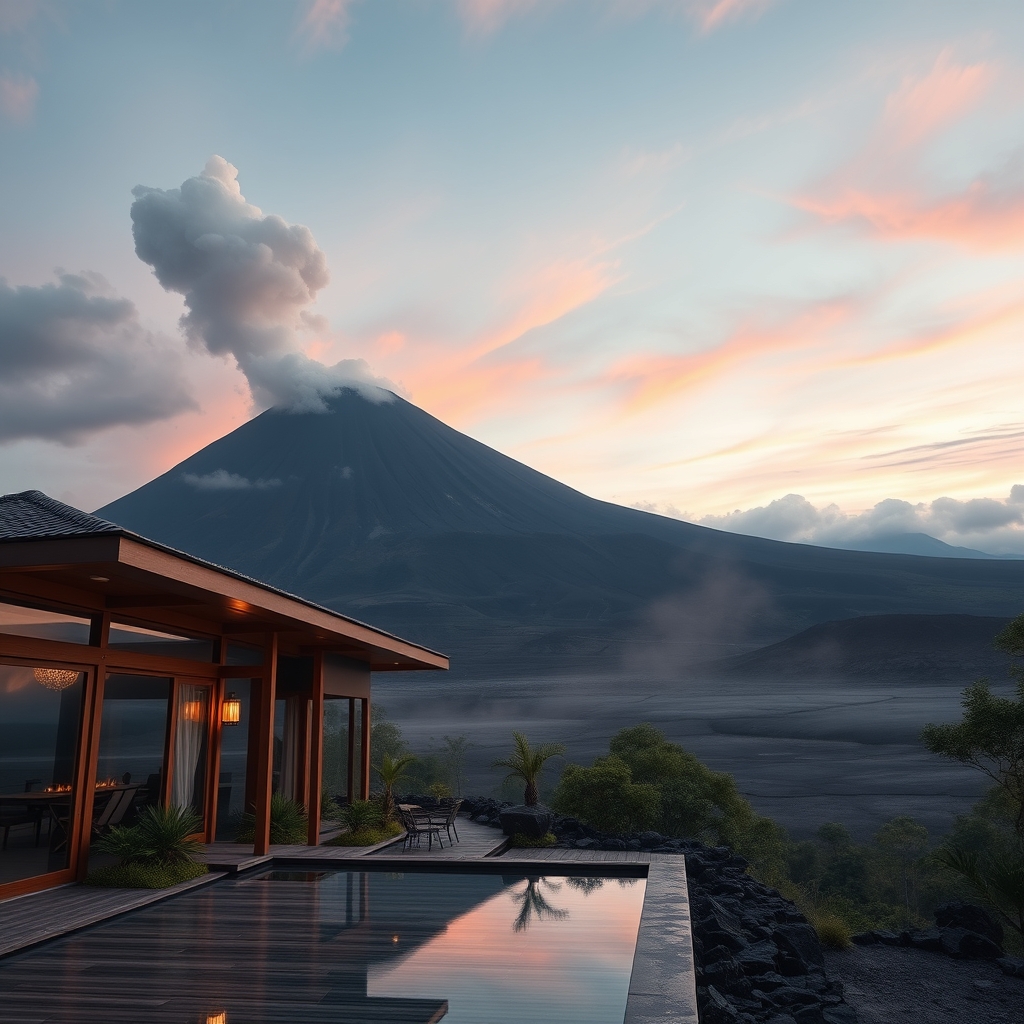
The lodgings scattered across the Bromo-Tengger-Semeru landscape are not merely places to rest; they are statements. Each structure, from the minimalist capsules of Whiz Capsule Hotel Grand Bromo to the sprawling, wood-clad villas of Jiwa Jawa Resort Ijen, attempts to reconcile two irreconcilable forces: the raw, untamed majesty of the volcanic terrain and the refined expectations of modern travelers. The results are as varied as they are revealing, exposing the fault lines between ambition and feasibility, between aesthetic idealism and the unyielding realities of geography.
The Illusion of Control in a Volcanic Landscape
Bromo does not suffer fools. Its ash-laden winds, unpredictable tremors, and the ever-present scent of sulfur serve as constant reminders that this is a land governed by forces far beyond human intervention. Yet, many of the region’s lodgings persist in projecting an illusion of control, as if architecture alone could tame the wilderness. Plataran Bromo Resort, with its Javanese-inspired pavilions and meticulously manicured gardens, is a prime example. The resort’s design is undeniably elegant, its use of natural materials and open-air spaces creating a seamless transition between interior and exterior. But step outside its curated confines, and the illusion shatters. The same winds that rustle the resort’s bamboo chimes also carry abrasive volcanic dust, infiltrating every crevice, settling on surfaces with relentless persistence. The resort’s aesthetic harmony is a fragile one, constantly under siege by the very environment it seeks to complement.
The Capsule Conundrum: Efficiency vs. Experience
At the opposite end of the spectrum lies Whiz Capsule Hotel Grand Bromo, a study in spatial efficiency and modern minimalism. The hotel’s capsule rooms, stacked like shipping containers, offer a no-frills alternative to the region’s more traditional lodgings. The design is undeniably clever—compact, functional, and unapologetically contemporary. Yet, for all its innovation, the capsule model raises uncomfortable questions about the commodification of experience. Bromo is not a city; it is a destination defined by its vastness, its silence, its overwhelming sense of scale. To reduce that experience to a 2×1-meter pod feels like a betrayal of the landscape’s essence. The capsules are not designed to engage with their surroundings; they are designed to provide shelter, nothing more. In doing so, they strip away the very elements that make Bromo unique, replacing awe with convenience, wonder with transactional efficiency.
The Homestay Paradox: Authenticity as a Curated Performance
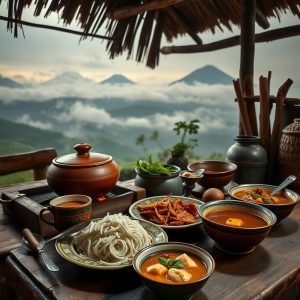
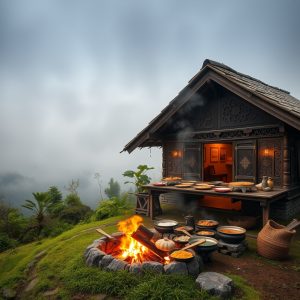
For travelers seeking a more “authentic” experience, homestays like GubuKNDeso Homestay Bromo and De Potrek Bistro And Homestay promise an immersion into local culture. These establishments often occupy traditional Tenggerese homes, their interiors adorned with handwoven textiles, wooden carvings, and the occasional family portrait. The appeal is undeniable—who wouldn’t want to wake up to the scent of freshly brewed *kopi tubruk* and the sound of roosters crowing in the distance? Yet, the authenticity of these experiences is often carefully curated. The homestays that thrive are those that strike a delicate balance between preserving local traditions and catering to the expectations of foreign guests. The result is a performance of authenticity, where the line between genuine cultural exchange and staged hospitality becomes increasingly blurred. The question then arises: does it matter? If the experience feels real to the traveler, does the artifice behind it diminish its value?
The Mid-Range Mirage: Where Compromise Becomes the Norm
Between the extremes of luxury resorts and capsule hotels lies the vast, often overlooked middle ground—lodgings like Hotel Santika Pasuruan, Swiss Belinn Malang, and Bromo Terrace Hotel. These establishments cater to the pragmatic traveler, offering a blend of comfort and affordability without the pretensions of their more upscale counterparts. Their designs are functional, their amenities reliable, and their locations strategically chosen to balance proximity to Bromo with accessibility to urban conveniences. Yet, it is precisely this pragmatism that makes them so revealing. In their refusal to engage with the landscape on anything more than a superficial level, they expose the limitations of Bromo’s hospitality industry. These hotels do not seek to harmonize with their surroundings; they exist in spite of them. Their architecture is generic, their interiors forgettable, their relationship with the volcanic landscape purely transactional. They are not bad hotels, but they are emblematic of a broader trend—one where the unique challenges of Bromo are treated as obstacles to be overcome rather than opportunities to be embraced.
The Uncomfortable Truth: Bromo’s Lodgings as a Reflection of Traveler Priorities
The lodgings of Bromo are not merely structures; they are mirrors. They reflect the priorities, contradictions, and aspirations of the travelers who stay in them. The luxury seeker at Jiwa Jawa Resort Bromo may marvel at the resort’s infinity pool, but they are also complicit in the illusion that Bromo can be tamed, that its wildness can be packaged and sold. The budget traveler at Cafe Lava Hostel may celebrate the affordability of their dorm bed, but they, too, are part of the system that reduces Bromo to a checklist of experiences—sunrise at the crater, a jeep tour, a quick photo op. Even the well-intentioned guest at a homestay, eager to support local communities, is participating in a dynamic where authenticity is increasingly difficult to define. The uncomfortable truth is that Bromo’s lodgings do not exist in a vacuum. They are shaped by the demands of the market, the constraints of the environment, and the ever-evolving expectations of travelers. To critique them is to critique ourselves, to question what we value when we venture into landscapes as unforgiving as they are beautiful.
The lodgings of Bromo will continue to evolve, as will the travelers who seek them out. Some will prioritize design, others convenience, still others a fleeting sense of connection to the land. But beneath the varying degrees of ambition and compromise, one truth remains constant: Bromo does not care. The volcano will continue to rumble, the winds will carry its ash, and the landscape will endure, indifferent to the structures we build in its shadow. The real question is not whether these lodgings succeed in their aspirations, but whether we, as travelers, can ever truly reconcile our desire for comfort with the raw, unfiltered reality of the places we visit.