Beyond the Horizon: A Cultural and Natural Odyssey Through Mount Bromo’s Tengger Highlands
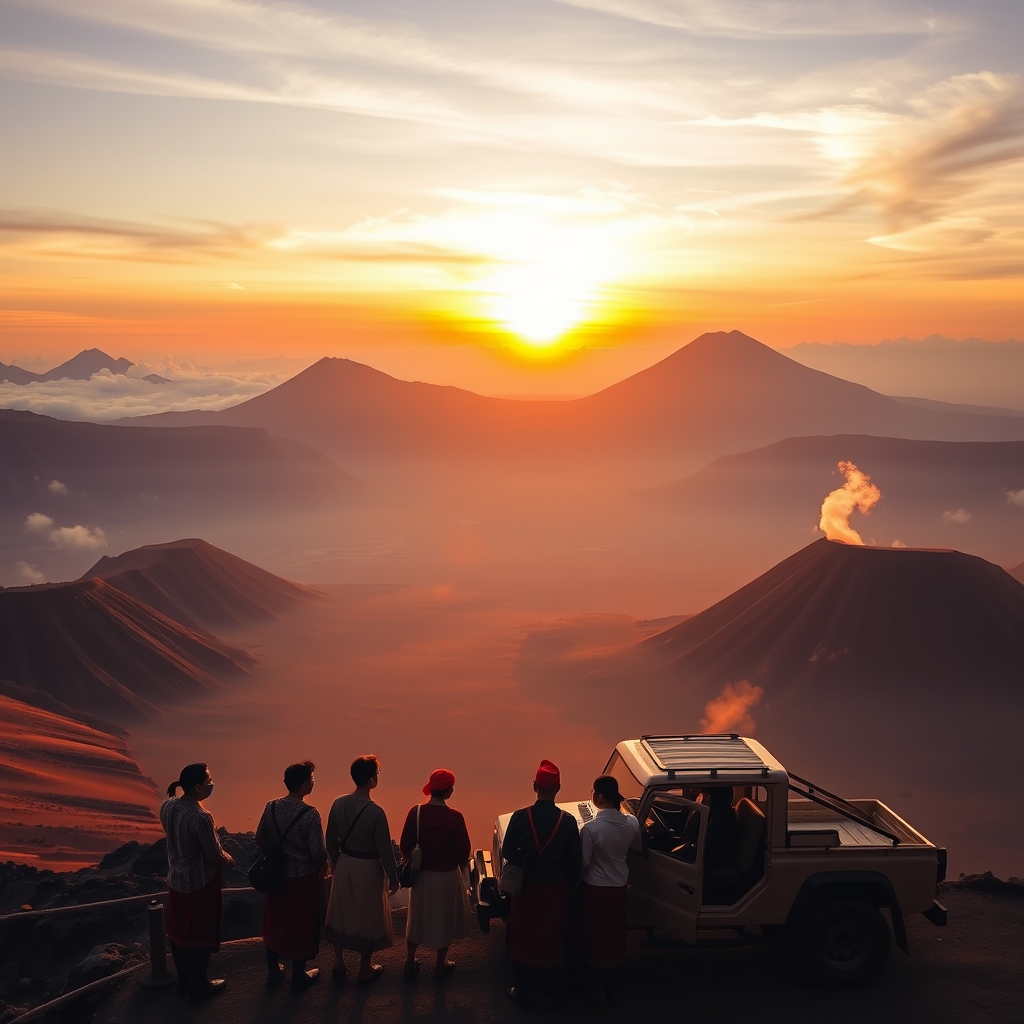
The first light of dawn creeps over the jagged silhouette of Mount Bromo, painting the sky in hues of amber and rose. The air is crisp, carrying the faint scent of sulfur and damp earth, a reminder that this is no ordinary landscape—it is a living, breathing force of nature. For those who venture into the Tengger Highlands, the journey is more than a trek; it is a pilgrimage into the heart of Java’s volcanic soul, where every step is a conversation between the earth and the sky.
The Tenggerese: Guardians of an Ancient Legacy
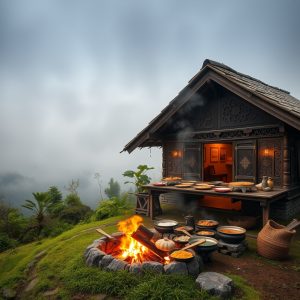
At the foothills of Bromo, the Tenggerese people have thrived for centuries, their lives intertwined with the rhythms of the volcano. Unlike the more widely known Javanese culture, the Tenggerese maintain a distinct identity, shaped by their Hindu-Balinese roots and their deep reverence for the land. Their villages, scattered across the highlands, are a testament to resilience, where traditional thatched-roof houses stand in harmony with the rugged terrain. Visitors who take the time to engage with the locals are rewarded with stories of Yadnya Kasada, the annual festival where offerings are cast into the crater to appease the mountain spirits—a ritual that has endured for generations.
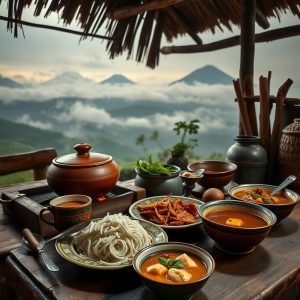
Participating in a homestay or a guided cultural walk offers an intimate glimpse into Tenggerese life. From the preparation of *ketan* (sticky rice) wrapped in banana leaves to the melodic strains of *gamelan* music echoing through the valleys, these experiences are not merely observational; they are immersive, inviting travelers to become part of the narrative. The Tenggerese do not see themselves as separate from the land but as its stewards, a philosophy that resonates deeply in an era where sustainable travel is no longer optional but essential.
The Jeep Safari: A Gateway to the Wild
For those eager to traverse the vast, otherworldly expanse of the Sea of Sand (*Lautan Pasir*), the Cultural Jeep Safari is an adventure unlike any other. The journey begins in the pre-dawn darkness, the headlights of the jeeps cutting through the mist as they navigate the undulating dunes and rocky paths. The route is not for the faint-hearted—bumpy, unpredictable, and exhilarating—but it is the only way to reach the vantage points that offer unobstructed views of Bromo’s smoldering crater.
The jeeps, often driven by local guides with an encyclopedic knowledge of the terrain, stop at strategic points where the landscape unfolds like a living painting. The first stop is usually Penanjakan, the famed viewpoint where photographers gather to capture the sunrise spilling over the caldera. The second, closer to the crater’s edge, reveals the raw power of the volcano, its plumes of smoke curling into the sky. For many, the jeep safari is not just a means of transport but an integral part of the experience, a thrilling prelude to the trekking that lies ahead.
Adaptive Paths: Trekking with Respect for the Land
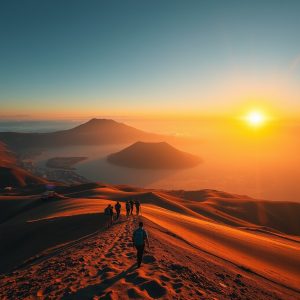
The trails around Mount Bromo are as diverse as they are challenging. From the gentle slopes of the Sea of Sand to the steep, rocky ascent of Mount Batok, each path demands a different level of endurance and adaptability. For those seeking a gentler introduction, the trek to the crater’s rim is a manageable yet rewarding endeavor. The route, though short, is steep and requires sturdy footwear, but the reward—a panoramic view of the crater’s depths—is worth every step.
For the more adventurous, the multi-day trek to Mount Semeru, Java’s highest peak, offers an unparalleled high-altitude experience. The journey winds through alpine meadows, past glacial lakes, and up sheer cliffs, testing the limits of physical and mental resilience. Along the way, trekkers encounter rare flora and fauna, including the elusive Javan eagle and the hardy edelweiss that clings to the rocky outcrops. These paths are not just routes; they are lifelines, carefully maintained by local guides who understand the delicate balance between exploration and preservation.
Photography as a Form of Storytelling
Mount Bromo is a photographer’s dream, a place where light and shadow dance across the landscape in an ever-changing spectacle. The golden hour, when the sun rises over the caldera, bathes the terrain in a warm glow, while the midday sun casts dramatic contrasts across the jagged peaks. For those armed with a camera, the challenge is not finding a subject but choosing which one to capture—the wisps of smoke rising from the crater, the play of light on the Sea of Sand, or the weathered faces of the Tenggerese elders, their expressions a map of a life lived in harmony with the land.
Yet, photography here is more than just a technical exercise; it is a way to preserve the essence of the place. The best images are those that tell a story—of the people, the culture, and the raw, untamed beauty of the landscape. Travelers are encouraged to go beyond the postcard shots and seek out the details: the texture of volcanic rock, the steam rising from a hidden hot spring, the way the mist clings to the valleys at dawn. These are the moments that linger long after the journey ends.
Sustainable Tourism: Leaving Only Footprints
As tourism in the Tengger Highlands grows, so does the responsibility to protect its fragile ecosystem. The principles of eco-conscious travel are not just ideals here; they are necessities. Local guides and tour operators are increasingly adopting sustainable practices, from limiting group sizes to ensuring that waste is carried out of the park. Visitors are encouraged to bring reusable water bottles, avoid single-use plastics, and respect the cultural sites by not disturbing offerings or sacred spaces.
One of the most impactful ways to contribute is by supporting community-based tourism initiatives. Homestays, local guides, and small businesses owned by Tenggerese families ensure that the economic benefits of tourism remain within the community. By choosing these options, travelers not only gain a more authentic experience but also help preserve the very culture and environment they have come to admire.
The journey through Mount Bromo’s Tengger Highlands is more than a checklist of sights and experiences; it is a transformation. It is the quiet awe of standing at the edge of a crater, the warmth of a Tenggerese family sharing a meal, the thrill of navigating the Sea of Sand in an open jeep. It is a reminder that the most profound adventures are not just about the places we visit but the connections we forge—with the land, its people, and the stories that bind them together. As the sun sets over the caldera, casting long shadows across the volcanic plains, one thing becomes clear: this is not just a destination, but a chapter in the larger story of our relationship with the natural world.