Beyond the Crater: A Critical Analysis of Bromo’s Hospitality Landscape
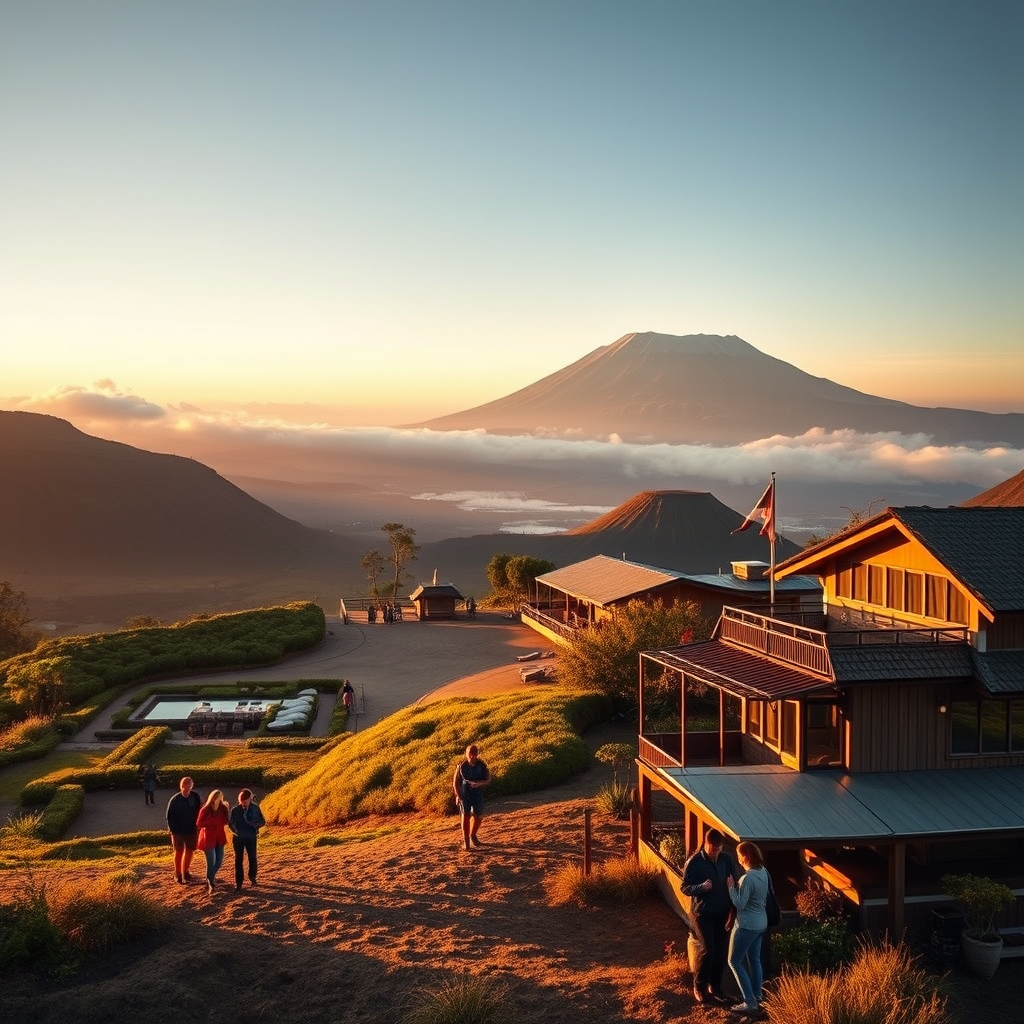
The allure of Mount Bromo is undeniable—its otherworldly landscapes, the ethereal sea of sand, and the dramatic sunrise over the Tengger Caldera draw travelers from across the globe. Yet, the experience of visiting this iconic destination is profoundly shaped by where one chooses to stay. The hospitality landscape around Bromo is as varied as the terrain itself, ranging from luxurious retreats to budget-friendly homestays, each offering a distinct lens through which to view the volcano’s majesty. But not all accommodations are created equal, and the differences between them reveal far more than just price points or amenities; they expose the priorities of the region’s tourism industry and the expectations of its visitors.
The Luxury Paradigm: Where Comfort Meets the Crater
At the apex of Bromo’s hospitality hierarchy sit properties like Jiwa Jawa Resort Bromo and Plataran Bromo Resort. These establishments do not merely provide a place to sleep; they curate an experience. Jiwa Jawa, with its Javanese-inspired architecture and sprawling gardens, feels like a sanctuary carved into the mountainside. The resort’s design prioritizes harmony with the environment, using local materials and open-air spaces to blur the line between interior and exterior. Plataran, on the other hand, leans into colonial elegance, with its wooden beams, stone fireplaces, and panoramic views of the caldera. Both resorts offer more than just proximity to Bromo—they offer immersion, with guided hikes, cultural performances, and gourmet dining that elevate the visit from a simple trip to a transformative journey.
Yet, luxury comes at a cost, both financially and conceptually. These resorts are often criticized for their exclusivity, creating a bubble that insulates guests from the realities of local life. The curated experiences, while undeniably enriching, can feel sanitized, as if the raw, untamed spirit of Bromo has been polished into something more palatable for high-end tourists. The question then arises: does luxury enhance the Bromo experience, or does it dilute it?
The Mid-Range Middle Ground: Balancing Comfort and Authenticity
For travelers seeking a compromise between comfort and authenticity, properties like Bromo Terrace Hotel and Lava View Lodge present compelling options. These hotels strike a balance, offering modern amenities without the ostentation of their luxury counterparts. Bromo Terrace, perched on the edge of the caldera, provides stunning views from its rooms and terrace, while Lava View Lodge’s rustic charm and proximity to the volcano’s namesake lava flows make it a favorite among adventurous travelers. Both properties understand that their guests are there for Bromo first and foremost, and their designs reflect this priority.
However, the mid-range segment is not without its pitfalls. Some hotels in this category, such as Hotel Santika Pasuruan and Swiss Belinn Malang, while comfortable and well-appointed, feel more like generic urban hotels transplanted into a rural setting. Their standardized designs and corporate branding can make them feel disconnected from the local culture, offering little more than a place to rest between excursions. The challenge for these properties is to find ways to integrate themselves into the Bromo experience without losing the comforts that their guests expect.
The Budget Conundrum: Affordability vs. Experience
At the other end of the spectrum lie the budget accommodations—homestays, hostels, and basic hotels that cater to backpackers and cost-conscious travelers. Properties like Cafe Lava Hostel, GubuKNDeso Homestay Bromo, and Bromo Camp House offer affordable rates and a sense of community, often becoming hubs for travelers to share stories and tips. These places are where the raw, unfiltered spirit of Bromo thrives, where the focus is on the destination rather than the creature comforts.
Yet, budget accommodations are not without their drawbacks. Many of these properties lack the infrastructure to handle the growing number of visitors, leading to issues with cleanliness, safety, and service. De Potrek Bistro And Homestay, for example, offers a charming, rustic experience, but its limited facilities may not appeal to those accustomed to more modern conveniences. The rise of capsule hotels like Whiz Capsule Hotel Grand Bromo attempts to bridge the gap between affordability and comfort, but the novelty of the concept can sometimes overshadow the actual experience of staying in such a confined space.
The Unseen Players: Homestays and Local Hospitality
Beyond the branded hotels and resorts, Bromo’s hospitality landscape is dotted with family-run homestays and small guesthouses that offer a glimpse into the lives of the Tenggerese people. Properties like Istana Petani Hotel and SM Bromo Hotel may lack the polish of their larger counterparts, but they make up for it with warmth and authenticity. These accommodations are often run by locals who are deeply connected to the land, offering guests a more personal and culturally rich experience. Staying at a homestay is not just about saving money; it’s about engaging with the community and gaining a deeper understanding of the region’s heritage.
However, the rise of tourism has also brought challenges to these smaller establishments. As demand grows, some homestays have struggled to maintain the quality of their offerings, leading to overcrowding and a decline in the personalized service that once defined them. The pressure to compete with larger hotels has also led some to adopt more commercial practices, diluting the very authenticity that made them special in the first place.
The Future of Bromo’s Hospitality: Sustainability and Innovation
As Bromo’s popularity continues to soar, the hospitality industry faces a critical juncture. The challenge is not just to accommodate more visitors, but to do so in a way that preserves the destination’s natural beauty and cultural integrity. Some properties are already leading the way in this regard. Jiwa Jawa Resort Ijen, for instance, has set a benchmark for sustainable luxury, with its eco-friendly design and commitment to supporting local communities. Similarly, Bromo Permai One has focused on creating a harmonious relationship between its operations and the surrounding environment, using renewable energy sources and minimizing waste.
Yet, sustainability is not just the responsibility of a few forward-thinking properties. It requires a collective effort from all stakeholders—hotels, local communities, and travelers alike. The future of Bromo’s hospitality industry will depend on its ability to innovate without losing sight of what makes the destination special. Whether through eco-friendly practices, community-based tourism, or simply a renewed focus on authentic experiences, the choices made today will shape the Bromo of tomorrow.
The accommodations around Mount Bromo are more than just places to stay; they are gateways to an experience that is as much about the journey as it is about the destination. The best properties understand this, offering not just a bed for the night, but a deeper connection to the land and its people. The worst, however, risk turning Bromo into just another tourist trap, where the magic of the place is lost amidst the pursuit of profit. The choice, ultimately, lies with the traveler—to seek out the authentic, the sustainable, and the meaningful, or to settle for the superficial. The crater will always be there, but the experience of it is what we make it.