The Sacred Ascent: An Eco-Conscious Sunrise Trek Through Mount Bromo’s Tenggerese Legacy
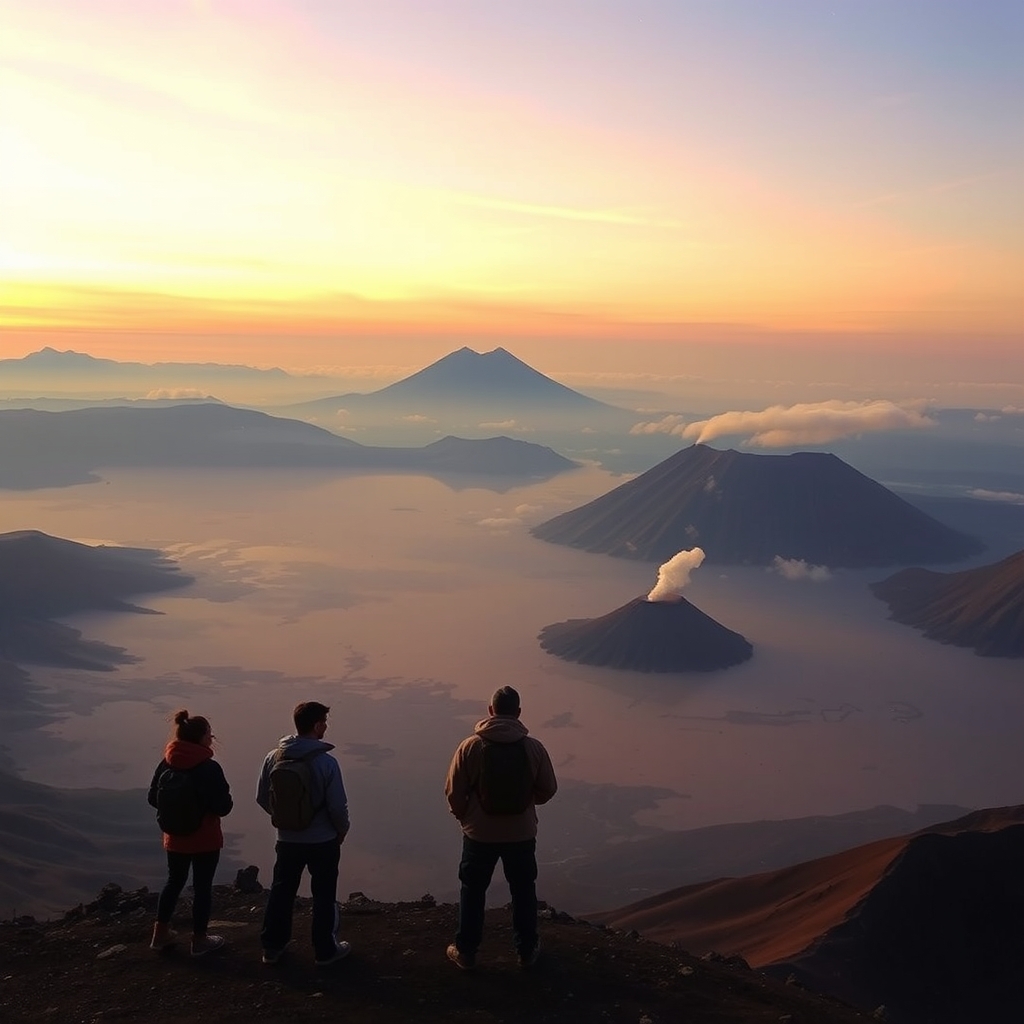
The first whispers of dawn at Mount Bromo are not just a visual spectacle—they are a spiritual awakening. As the sun begins its slow ascent over the Tengger Caldera, the landscape transforms into a living canvas of fire and shadow, where the earth’s raw power meets the quiet reverence of ancient traditions. This is not merely a trek; it is a pilgrimage, a journey through time, culture, and untamed natural beauty that leaves an indelible mark on the soul.
The Call of the Caldera
Mount Bromo, part of the Bromo Tengger Semeru National Park in East Java, is a place where mythology and geology intertwine. The Tenggerese people, an indigenous community with deep-rooted ties to the land, believe the volcano is sacred, a gateway to the divine. Their annual Yadnya Kasada festival, where offerings are cast into the crater, is a testament to the enduring bond between the people and the mountain. For travelers, this cultural tapestry adds layers of meaning to the sunrise trekking experience, turning a physical journey into a deeply immersive exploration of heritage.
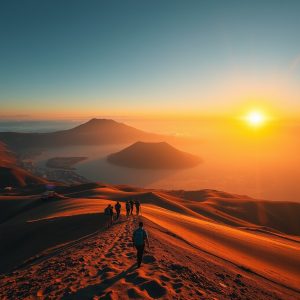
The trek itself begins in the pre-dawn darkness, a time when the world feels suspended between night and day. The air is crisp, carrying the scent of sulfur and damp earth, while the distant rumble of the volcano serves as a reminder of the land’s restless energy. Guided by the flickering beams of headlamps, trekkers navigate adaptive paths that wind through the Sea of Sand—a vast, otherworldly expanse of volcanic ash—before ascending the steep slopes of the crater rim. Each step is a dance between effort and awe, as the first hints of light begin to paint the sky in hues of gold, pink, and lavender.
A Photographic Odyssey
For photographers, Mount Bromo at sunrise is nothing short of a dream. The interplay of light and shadow across the jagged edges of the caldera, the ethereal mist rising from the crater, and the silhouettes of fellow trekkers against the glowing horizon create a scene of surreal beauty. The challenge lies in capturing not just the grandeur of the landscape, but the emotion it evokes—the sense of standing at the edge of something ancient and untamed.
Bespoke sunrise tours often include stops at strategic vantage points, such as King Kong Hill or Seruni Point, where the panoramic views are unparalleled. Here, the vastness of the Tengger Caldera stretches out like a sea of fire, with the towering peak of Mount Semeru looming in the distance, its plume of smoke a silent testament to the region’s volcanic activity. The key to a memorable photographic journey is patience; waiting for the perfect moment when the light kisses the landscape just right, turning the ordinary into the extraordinary.
The Cultural Jeep Safari: A Journey Through Time
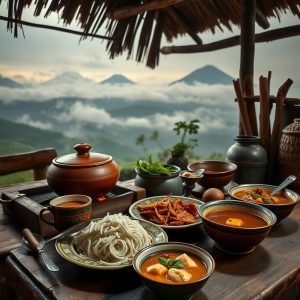
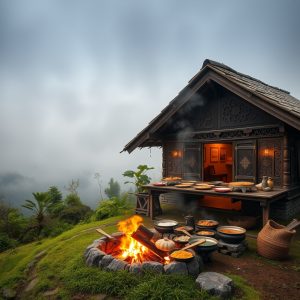
For those seeking a blend of adventure and cultural immersion, the Cultural Jeep Safari offers a unique way to explore the highlands. These rugged, off-road vehicles traverse the undulating terrain, stopping at hidden viewpoints and Tenggerese villages where time seems to stand still. The journey is as much about the people as it is about the landscape—visiting local homes, sharing stories over cups of sweet Javanese coffee, and witnessing the daily rhythms of life in the shadow of the volcano.
The Tenggerese, with their warm hospitality and rich traditions, are the heart of this experience. Their way of life, shaped by the land’s challenges and blessings, offers a humbling perspective on resilience and harmony. The jeep safari is not just a mode of transport; it is a bridge between worlds, connecting travelers to the soul of the highlands.
Sustainable Steps on Sacred Ground
As the popularity of Mount Bromo grows, so does the responsibility to protect its fragile ecosystem and cultural heritage. Sustainable volcano tourism is not just a trend—it is a necessity. Eco-conscious travelers can make a difference by choosing operators that prioritize environmental stewardship, such as those that limit group sizes, use low-impact transportation, and support local communities. Simple actions, like carrying out all waste and respecting sacred sites, ensure that the magic of Bromo remains intact for future generations.
Adaptive trekking paths, designed to minimize erosion and preserve the landscape, are another step toward responsible tourism. These routes not only protect the environment but also enhance the trekking experience, offering safer and more enjoyable access to the crater’s edge. By treading lightly, travelers become stewards of the land, honoring the Tenggerese belief that the mountain is a living entity deserving of respect.
The Seasonal Symphony of Bromo
Mount Bromo is a destination that shifts with the seasons, each offering a unique perspective on its beauty. The dry season, from April to October, is the most popular time for trekking, with clear skies and cooler temperatures. The landscape is stark and dramatic, the Sea of Sand a vast, undulating desert that contrasts with the lush greenery of the surrounding hills. In contrast, the wet season, from November to March, brings a softer, more mystical atmosphere. Rain transforms the ash fields into a muddy expanse, while mist clings to the crater, creating an otherworldly ambiance that feels like stepping into a dream.
For those seeking a quieter experience, the shoulder seasons—late March or early November—offer the best of both worlds. The crowds thin, the weather remains favorable, and the landscape takes on a transitional beauty, as if the earth itself is pausing to catch its breath. Regardless of when you visit, the mountain’s ever-changing moods ensure that no two sunrise treks are ever the same.
The journey to Mount Bromo is more than a checklist of sights and experiences; it is a transformation. As the first light of dawn spills over the crater, it illuminates not just the landscape, but the deeper connections we forge with the earth and its stories. The Tenggerese say that the mountain chooses who it reveals itself to, and perhaps that is the true magic of Bromo—it is not just a place you visit, but a place that visits you, leaving its mark long after the journey ends.