The Unseen Trails: A Sunrise Trekking and Cultural Safari Through Mount Bromo’s Volcanic Wilderness
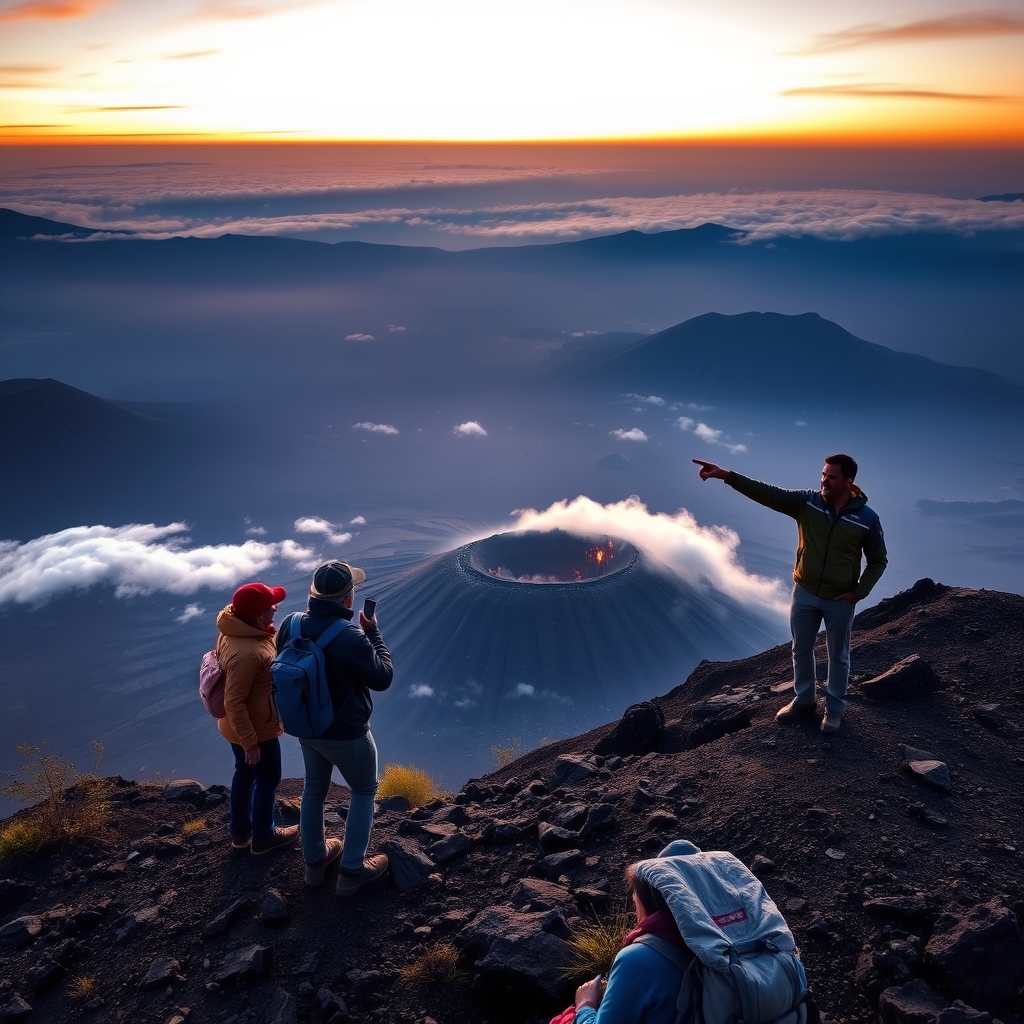
There is a moment, just before dawn, when the world holds its breath. The air is crisp, the sky a deep indigo, and the horizon glows with the promise of something extraordinary. For those who venture to Mount Bromo, this moment is not just a fleeting second—it is the beginning of an adventure that weaves together the raw beauty of nature, the thrill of exploration, and the rich tapestry of Tenggerese culture. This is not merely a trek; it is a journey into the heart of one of Indonesia’s most iconic landscapes, where every step tells a story and every sunrise feels like a revelation.
The Call of the Caldera
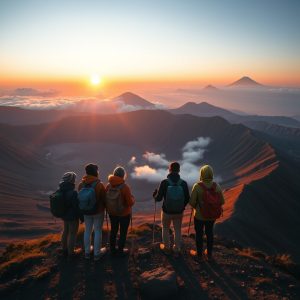
Mount Bromo, part of the Bromo Tengger Semeru National Park, is a place where the earth’s fiery soul is laid bare. The vast caldera, with its smoldering crater and sea of sand, is a sight that lingers in the memory long after the journey ends. The trek to witness the sunrise here is not for the faint of heart—it begins in the pre-dawn darkness, with headlamps cutting through the cool mountain air as trekkers navigate the winding paths that lead to the viewpoint. The ascent is gradual but demanding, a test of endurance that rewards with views that feel almost otherworldly.
The Tenggerese people, who have called these highlands home for centuries, believe that Mount Bromo is a sacred place, a gateway between the earthly and the divine. Their traditions are woven into the fabric of the landscape, from the annual Yadnya Kasada festival, where offerings are thrown into the crater, to the quiet rituals performed at the Pura Luhur Poten temple. Trekking through this terrain is not just a physical challenge; it is an immersion into a culture that reveres the land as much as it depends on it.
The Jeep Safari: A Cultural Passage
For those seeking a different kind of adventure, the Cultural Jeep Safari offers a unique way to explore the Bromo Tengger Semeru region. These rugged vehicles, often driven by local Tenggerese guides, traverse the undulating terrain with ease, taking travelers through landscapes that feel untouched by time. The journey begins in the village of Cemoro Lawang, where the scent of woodsmoke and the sound of roosters greeting the dawn create an atmosphere of quiet anticipation. As the jeep climbs higher, the world below fades into a patchwork of mist and shadow, and the vast expanse of the caldera comes into view.
The jeep safari is more than just a mode of transport; it is a cultural passage. Along the way, guides share stories of the Tenggerese people, their beliefs, and their deep connection to the land. Stops at hidden viewpoints reveal panoramic vistas of the crater, its steam rising into the morning air like a whisper from the earth itself. For those who prefer not to trek, this is an opportunity to experience the magic of Bromo without the physical strain, while still engaging with the landscape in a meaningful way.
Panoramic Crater Views and Photographic Journeys
The sunrise over Mount Bromo is a photographer’s dream. As the first light breaks over the horizon, the sky erupts in hues of gold, pink, and orange, casting long shadows across the sea of sand and illuminating the jagged edges of the crater. The viewpoint at Mount Penanjakan is the most famous spot to capture this spectacle, but the true magic lies in exploring the lesser-known vantage points that dot the landscape. Here, the crowds thin, and the sense of solitude deepens, allowing for a more intimate connection with the environment.
Photographers will find endless inspiration in the contrasts of Bromo’s terrain—the stark black sand against the vibrant sky, the steam rising from the crater, the silhouettes of trekkers against the dawn. But beyond the technical aspects of photography, there is something deeper at play. This is a place where the act of capturing an image becomes a meditation, a way to pause and absorb the beauty of the moment. The photographs taken here are not just souvenirs; they are fragments of a journey, a way to hold onto the emotions stirred by the landscape long after the trip has ended.
Sustainable Trekking: Treading Lightly on Sacred Ground
With the growing popularity of Mount Bromo as a trekking destination, the importance of sustainable tourism has never been more critical. The fragile ecosystem of the Tengger Highlands is under pressure from the sheer volume of visitors, and the cultural heritage of the Tenggerese people risks being overshadowed by commercialization. Fortunately, there are ways to experience Bromo responsibly, ensuring that the land and its traditions are preserved for future generations.
Eco-conscious trekking begins with small but meaningful choices—staying on designated paths to protect the delicate flora, minimizing waste by carrying out all trash, and supporting local guides and businesses that prioritize sustainability. Many tour operators now offer bespoke sunrise tours that focus on low-impact travel, using adaptive trekking paths that reduce erosion and respect the natural contours of the land. By choosing these options, travelers can enjoy the beauty of Bromo while leaving a minimal footprint.
The Tenggerese Way: A Lesson in Harmony
The Tenggerese people have lived in harmony with the volatile landscape of Mount Bromo for generations. Their traditions are a testament to the delicate balance between human life and the forces of nature. Visitors to the region have much to learn from their way of life, from the rituals that honor the volcano’s power to the sustainable farming practices that have sustained their communities for centuries. Engaging with the Tenggerese culture is not just an add-on to the trekking experience; it is an integral part of understanding the soul of this place.
Local homestays offer a glimpse into the daily lives of the Tenggerese, where guests are welcomed with warmth and hospitality. Here, the rhythms of life are dictated by the land—early mornings for farming, evenings spent in quiet reflection, and festivals that celebrate the cycles of nature. For those willing to step off the beaten path, these experiences provide a deeper connection to the region, one that goes beyond the surface beauty of the landscape.
Seasonal Expeditions: Timing Your Adventure
Mount Bromo is a destination that changes with the seasons, each offering a unique perspective on the landscape. The dry season, from April to October, is the most popular time to visit, with clear skies and optimal conditions for trekking. The sunrise views during this period are often spectacular, with the crater’s steam visible against the backdrop of a cloudless sky. However, the crowds can be overwhelming, and the dry conditions can make the terrain dusty and challenging to navigate.
The wet season, from November to March, brings a different kind of beauty to Bromo. The landscape is lush and green, the air is cooler, and the crowds are thinner. While the weather can be unpredictable, with mist and rain obscuring the views, there is a certain magic to experiencing the volcano in its quieter, more introspective state. For those willing to embrace the elements, the wet season offers a chance to see Bromo in a new light, where the steam from the crater mingles with the clouds to create an ethereal atmosphere.
The journey to Mount Bromo is more than just a trek or a safari; it is an invitation to step into a world where nature’s raw power and cultural richness converge. Whether you’re standing on the edge of the crater at dawn, sharing stories with a Tenggerese guide, or capturing the perfect photograph, the experience leaves an indelible mark on the soul. It is a reminder that some places are not just destinations—they are living, breathing entities that demand to be experienced with reverence, curiosity, and an open heart. And in return, they offer something far greater than a memory; they offer a sense of connection to the earth and to the people who call it home.