Dawn’s First Light: A Sunrise Trekking Odyssey Through Mount Bromo’s Ever-Shifting Sands
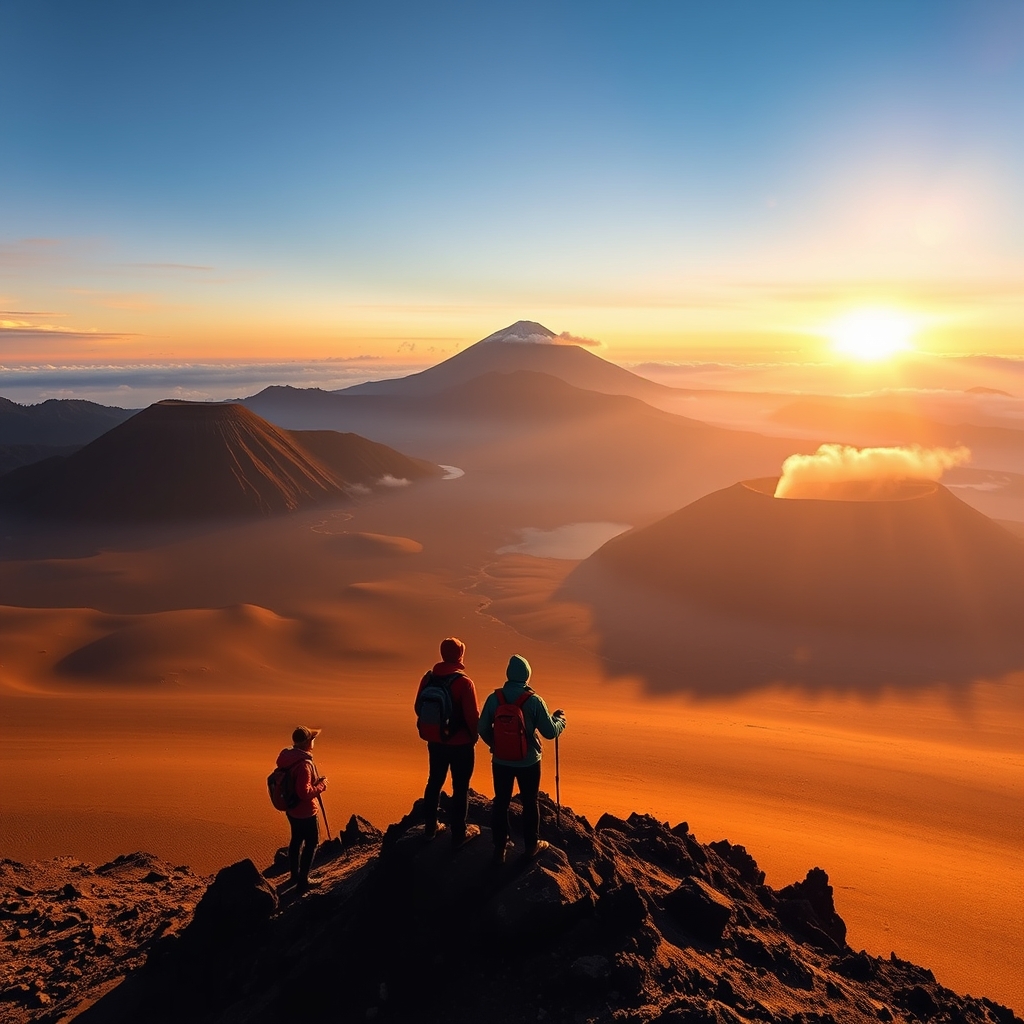
The first whispers of dawn at Mount Bromo are not just seen—they are felt. As the sky bleeds from indigo to gold, the vast Tengger Caldera awakens beneath a veil of mist, its volcanic heart still warm from the earth’s ancient fire. For those who venture here, the sunrise trekking experience is more than a journey; it is a communion with time, nature, and the enduring spirit of the Tenggerese people. The trail, carved by both geology and tradition, offers a rare blend of raw adventure and cultural reverence, where every step forward is a step into the unknown.
The Call of the Caldera
Mount Bromo is not a mountain in the conventional sense—it is a living, breathing entity, a sentinel of fire and ash that has shaped the landscape and the lives of those who dwell in its shadow. The Tengger Caldera, a sprawling volcanic complex, cradles Bromo within its embrace, along with its siblings Batok and Semeru, the latter standing as Java’s highest peak. The journey begins long before sunrise, often in the quiet hours of midnight, when the world is still asleep. Trekkers gather in the chill mountain air, their breath visible in the dim glow of headlamps, as guides share stories of the land’s myths and legends. The Tenggerese, an indigenous community with roots tracing back to the Majapahit Empire, believe the caldera is sacred, a place where the gods reside. To walk these paths is to walk in their footsteps, to honor the delicate balance between human curiosity and nature’s untamed power.
The Ascent: A Dance with the Dark
The trek to Bromo’s viewpoint is a study in contrasts—silence and anticipation, darkness and light, solitude and camaraderie. The initial climb is a test of endurance, as the trail winds through loose volcanic sand that shifts beneath each step, demanding both patience and persistence. The air grows thinner, cooler, and the stars above seem close enough to touch, their brilliance undimmed by the absence of city lights. Along the way, the faint outline of Mount Batok emerges like a silent guardian, its jagged silhouette a reminder of the forces that shaped this land. For many, this is the most challenging part of the journey, not just physically but mentally, as the mind grapples with the vastness of the night and the promise of what lies ahead.
First Light: A Moment Frozen in Time
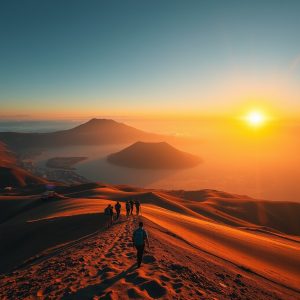
Then, without warning, the sky begins to change. The first hint of dawn appears as a soft, ethereal glow on the horizon, a prelude to the spectacle that is about to unfold. As the light grows, the landscape reveals itself in layers—first the undulating sea of sand, then the jagged edges of the caldera, and finally, the smoldering crater of Bromo itself, its plume of smoke curling into the sky like a dragon’s breath. The sunrise at Bromo is not a single moment but a symphony of light and color, each second revealing new details in the terrain. The Tenggerese perform their morning rituals nearby, their offerings of rice, flowers, and incense a testament to their deep connection to the land. For trekkers, this is the reward—a fleeting, almost sacred moment where time seems to stand still.
Beyond the Sunrise: Exploring Bromo’s Hidden Depths
While the sunrise is the undisputed highlight of any Bromo adventure, the journey does not end there. The Tengger Caldera is a playground for those willing to explore its many facets. A cultural jeep safari, for instance, offers a unique perspective on the region’s history and ecology. These rugged vehicles, often driven by local guides, traverse the caldera’s off-road paths, stopping at hidden viewpoints and lesser-known cultural sites. One such stop is the Pura Luhur Poten, a Hindu temple nestled at the foot of Bromo, where the Tenggerese gather for annual ceremonies like the Yadnya Kasada. This festival, held on the 14th day of the Tenggerese month of Kasada, sees devotees toss offerings into the crater, a ritual that dates back centuries and symbolizes their gratitude and reverence for the mountain.
The Crater’s Edge: A Panoramic Revelation
For those seeking a more immersive experience, descending into the caldera to stand at the edge of Bromo’s crater is an adventure in itself. The path is steep and uneven, the air thick with the scent of sulfur, but the reward is unparalleled. From this vantage point, the sheer scale of the caldera becomes apparent—a vast, otherworldly landscape that feels more like the surface of the moon than anything on Earth. The crater’s rim offers a 360-degree view of the surrounding peaks, their slopes blanketed in a patchwork of green and gold. On clear days, the towering silhouette of Mount Semeru looms in the distance, its peak often shrouded in clouds, adding an air of mystery to the scene. This is where the true essence of Bromo reveals itself—not just as a destination, but as a living, evolving force of nature.
Sustainable Trekking: Treading Lightly on Sacred Ground
As the popularity of Bromo’s sunrise treks continues to grow, so too does the importance of sustainable tourism. The fragile ecosystem of the Tengger Caldera is under constant threat from erosion, pollution, and the sheer volume of visitors. Responsible trekking practices are not just encouraged but essential to preserving this natural wonder for future generations. Eco-conscious travelers can make a difference by choosing local guides who prioritize environmental stewardship, minimizing waste, and respecting the cultural significance of the sites they visit. Many tour operators now offer bespoke sunrise tours that focus on low-impact travel, such as adaptive trekking paths that avoid sensitive areas and educational components that highlight the importance of conservation. By treading lightly, trekkers can ensure that Bromo’s magic remains untarnished, its landscapes as breathtaking as they were centuries ago.
Seasonal Expeditions: The Ever-Changing Face of Bromo
Mount Bromo is a destination that transforms with the seasons, each offering a unique perspective on its beauty. The dry season, from April to October, is the most popular time for trekking, with clear skies and mild temperatures creating ideal conditions for sunrise viewing. However, the wet season, from November to March, has its own allure. The rains bring a lushness to the landscape, turning the caldera’s slopes into a vibrant tapestry of green. The mist that often blankets the peaks during this time adds a sense of mystery, making the sunrise even more dramatic. For those willing to brave the elements, the wet season offers a quieter, more introspective experience, with fewer crowds and a deeper connection to the land’s raw, untamed spirit.
The sunrise trekking experience at Mount Bromo is more than just a checkbox on a traveler’s list—it is a rite of passage, a moment of profound connection with the natural world and the cultures that have thrived in its shadow. As the first light of dawn spills over the caldera, it illuminates not just the landscape but the soul of those who have made the journey. The memories forged here—of the cold bite of the mountain air, the warmth of the rising sun, the whispers of the Tenggerese traditions—linger long after the trek is over, a testament to the enduring power of this volcanic wonder. Whether you come for the adventure, the culture, or the sheer beauty of the moment, Bromo leaves an indelible mark, a reminder of the magic that exists when fire, earth, and sky come together in perfect harmony.