Embers of the Dawn: A Photographic and Cultural Pilgrimage Through Mount Bromo’s Volcanic Heart

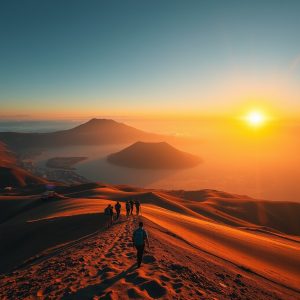
The first light of dawn creeps over the Tengger Caldera like liquid gold, spilling across the jagged silhouette of Mount Bromo. The air is thin and crisp, carrying the scent of sulfur and damp earth, a reminder that this is no ordinary landscape—it is a living, breathing entity. For those who venture here, the sunrise trekking experience is more than a hike; it is a communion with nature’s raw power and the enduring spirit of the Tenggerese people. Every step across the sea of sand feels like a pilgrimage, a slow unraveling of time itself.
The Call of the Caldera: Why Bromo Beckons
Mount Bromo is not the tallest volcano in Java, nor is it the most active, but it holds a magnetic allure that transcends statistics. Its appeal lies in the contrast—between fire and ice, desolation and life, silence and the thunderous roar of the crater. The early morning expedition begins in darkness, with headlamps cutting narrow beams through the pre-dawn gloom. The path is uneven, the altitude unforgiving, but the reward is unparalleled: a panoramic crater view that stretches across the caldera, with the smoldering cone of Bromo at its center and the towering mass of Mount Semeru looming in the distance, its plume of smoke a testament to the earth’s restless energy.
This is not merely a trek; it is an immersive nature exploration that engages all the senses. The crunch of volcanic sand beneath boots, the chill of the wind against exposed skin, the distant rumble of the crater—each element weaves into a symphony of sensations. For photographers, the landscape is a dream: the interplay of light and shadow, the ethereal mist that clings to the slopes, the dramatic silhouettes of fellow trekkers against the fiery sky. A photographic landscape journey here is less about capturing a moment and more about freezing the essence of a place that feels untouched by time.
Beyond the Jeep Safari: An Authentic Highland Culture
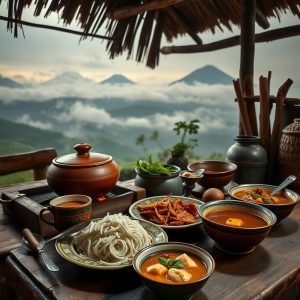
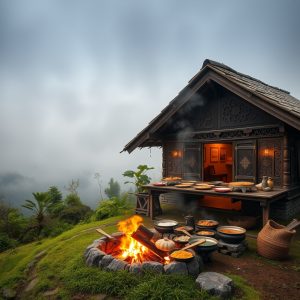
While the cultural jeep safari offers a convenient way to traverse the rugged terrain, those who seek a deeper connection with Bromo’s soul will find it in the traditions of the Tenggerese people. The Tenggerese, descendants of the Majapahit empire, have lived in harmony with the volcano for centuries, their lives dictated by its rhythms. Their villages, perched on the edges of the caldera, are a testament to resilience and adaptation. Visitors who take the time to engage with the locals—whether through a shared meal of nasi pecel or a conversation about the annual Yadnya Kasada festival—will discover a culture that reveres the mountain as both a provider and a deity.
The festival itself is a spectacle of devotion, where offerings of rice, fruits, and livestock are thrown into the crater to appease the gods. Witnessing this ritual is a humbling experience, a reminder that Bromo is not just a tourist destination but a sacred site. For those fortunate enough to visit during the festival, the experience transcends the typical guided summit adventure, offering a glimpse into the spiritual heart of the highlands.
Sustainable Volcano Tourism: Treading Lightly on Sacred Ground
As Bromo’s popularity grows, so too does the responsibility to protect its fragile ecosystem. Sustainable volcano tourism is not just a buzzword here; it is a necessity. The Tengger Caldera is a delicate environment, where every footprint can leave a lasting mark. Eco-conscious mountain travel begins with small but meaningful choices: sticking to adaptive trekking paths to minimize erosion, carrying out all waste, and supporting local guides who prioritize environmental stewardship. Many tour operators now offer bespoke sunrise tours that emphasize sustainability, from using electric jeeps for off-road volcano access to partnering with Tenggerese communities for homestays and cultural exchanges.
The shift toward responsible tourism is not just about preserving the landscape; it is about honoring the people who call it home. The Tenggerese have long practiced a form of sustainable living, their agricultural techniques adapted to the volcanic soil. By choosing operators who respect these traditions, travelers can ensure their visit leaves a positive impact. This is the future of Bromo: a place where adventure and conservation go hand in hand, where every sunrise trek contributes to the preservation of a cultural and natural legacy.
The Journey Within: Crafting Your Own Memorable Peak Experience
Every traveler who stands on the edge of Mount Bromo’s crater carries a unique story. For some, it is the culmination of a lifelong dream; for others, a spontaneous detour that reshapes their perspective. The beauty of Bromo lies in its ability to meet each visitor where they are. Whether you are an experienced hiker tackling the high-altitude trails of Mount Semeru or a first-time trekker marveling at the sea of sand, the experience is deeply personal. The key is to approach it with an open heart and a willingness to be transformed.
For those seeking a more tailored experience, bespoke sunrise tours offer the flexibility to design an itinerary that aligns with individual interests. Want to combine a sunrise trek with a visit to a Tenggerese village? There’s a tour for that. Prefer to explore the lesser-known trails of the caldera’s edge? Guides can craft a route that avoids the crowds while still delivering breathtaking views. The seasonal Bromo expedition also plays a role—visiting during the dry season (April to October) offers clear skies and optimal trekking conditions, while the wet season (November to March) transforms the landscape into a lush, misty wonderland, perfect for those who prefer solitude over spectacle.
No matter how you choose to experience Bromo, the mountain leaves an indelible mark. It is a place where the boundaries between the self and the natural world blur, where the act of witnessing a sunrise becomes a meditation on the passage of time. The memories forged here—of golden light spilling over the crater, of the Tenggerese’s quiet strength, of the sheer exhilaration of standing on the edge of an active volcano—are the kind that linger long after the journey ends. And perhaps that is the true magic of Bromo: it doesn’t just offer a view; it offers a way of seeing, a reminder that the most extraordinary adventures are those that change us from within.