The Ultimate Mount Bromo Travel Guide: Tips, Routes, and Must-Know Essentials for an Unforgettable Adventure
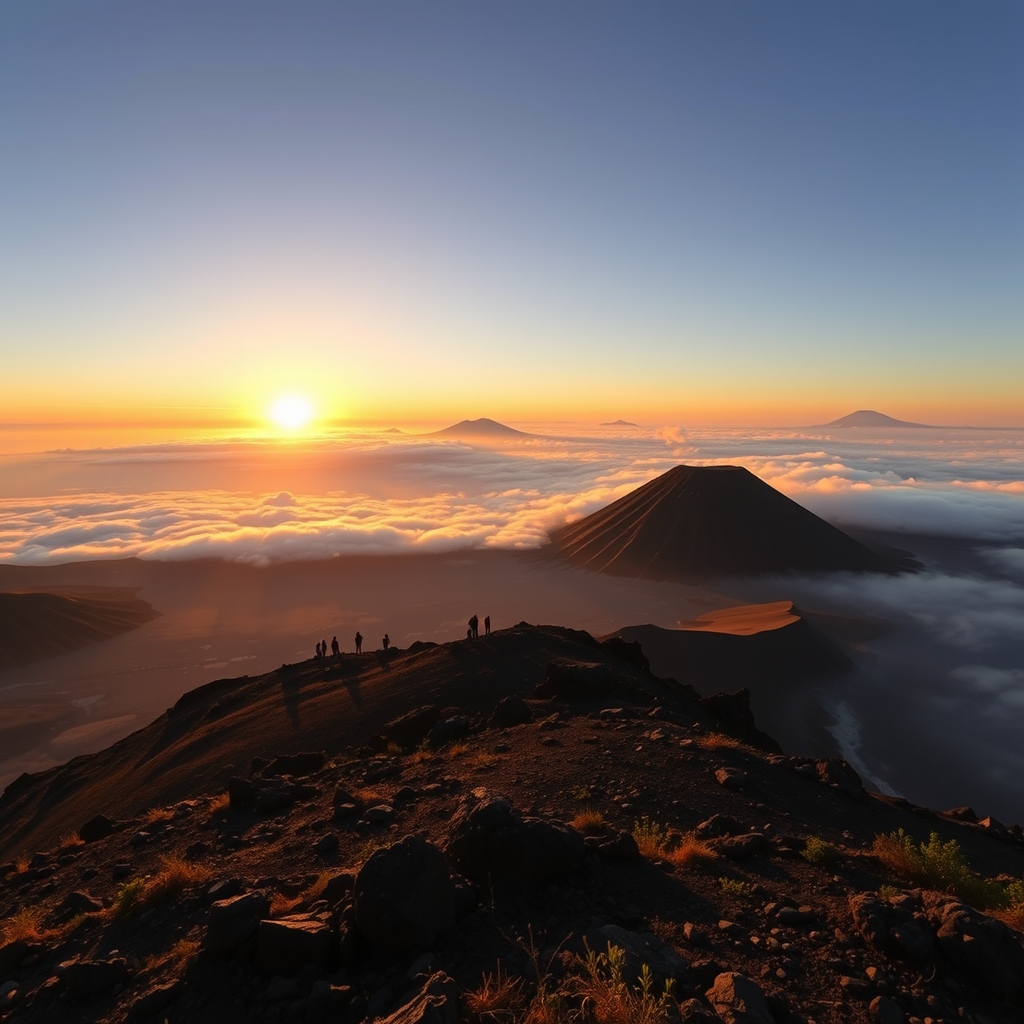
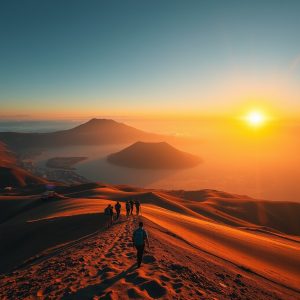
Standing at the edge of Mount Bromo’s vast caldera, the first light of dawn spills over the horizon, painting the sea of sand and jagged peaks in hues of gold and crimson. This otherworldly landscape, one of Indonesia’s most iconic natural wonders, draws travelers from around the globe, all eager to witness its surreal beauty. But planning a trip to Bromo requires more than just showing up—it demands preparation, timing, and a sense of adventure. Whether you’re a solo traveler, a photography enthusiast, or a first-time visitor, this guide will equip you with everything you need to make the most of your journey.
When to Visit: Chasing the Perfect Sunrise
The best time to visit Mount Bromo is during the dry season, which spans from April to October. During these months, the skies are clearer, the trails are more accessible, and the chances of witnessing a breathtaking sunrise are significantly higher. The wet season, from November to March, brings heavy rains and fog, which can obscure the views and make trekking hazardous. However, if you’re willing to take the risk, the misty landscapes can offer a uniquely mystical experience.
For the most dramatic sunrise views, aim to visit during the peak months of June to August. The weather is at its most stable, and the crowds are larger, but the reward—a fiery sky over the Tengger Caldera—is well worth the early wake-up call. If you prefer fewer tourists, consider visiting in April, May, or September, when the weather remains favorable but the trails are quieter.
Getting There: Routes from Surabaya and Malang
Mount Bromo is accessible from two major cities in East Java: Surabaya and Malang. Each route offers a different experience, so your choice may depend on your starting point and travel preferences.
From Surabaya to Bromo
The journey from Surabaya, the capital of East Java, takes approximately 3 to 4 hours by car or motorbike. The most common route is via Pasuruan and Probolinggo, where you’ll find plenty of accommodation options and tour operators. Many travelers opt to rent a private car or join a guided tour, as the roads can be winding and challenging to navigate, especially in the dark. If you’re driving yourself, be sure to leave early to arrive at the viewpoint in time for sunrise.
From Malang to Bromo
Malang, a charming highland city, is another popular gateway to Bromo. The drive takes around 2.5 to 3 hours, passing through picturesque villages and lush tea plantations. The route via Tumpang is the most direct, leading you to the Cemoro Lawang village, the primary base for Bromo explorations. From here, you can arrange jeep rentals or trekking guides for the next day’s adventure. Malang is also a great place to spend a night before or after your Bromo trip, offering a cooler climate and a relaxed atmosphere.
Navigating Bromo: Entrance Fees and Online Registration
Before you set foot in the Bromo Tengger Semeru National Park, you’ll need to handle a few administrative details. The entrance fee for foreign visitors is IDR 320,000 (approximately $20 USD) per person, which includes access to the park, a mandatory local guide, and a contribution to the conservation efforts. Indonesian citizens pay a reduced fee of IDR 27,000. Payment can be made at the official ticket counters in Cemoro Lawang or at the park’s entrance.
In recent years, the park has introduced an online registration system to manage visitor numbers and reduce overcrowding. While it’s not always mandatory, registering in advance is highly recommended, especially during peak seasons. You can complete the registration process through the official national park website or via authorized tour operators. Keep your confirmation email handy, as you may need to present it at the entrance.
Sunrise Viewpoints: Where to Catch the Magic
The sunrise over Mount Bromo is the highlight of any visit, and choosing the right viewpoint can make all the difference. The most popular spot is Penanjakan 1, also known as the